

Heat pump systems are increasingly popular due to their energy efficiency and low carbon footprint. However, many homeowners and building managers still ask: what is the downside to a heat pump system? To fully understand the limitations, it is important to also consider complementary solutions such as heat recovery ventilation, which plays a critical role in indoor comfort and efficiency.
One major downside to a heat pump system is performance fluctuation in extreme climates. In very cold or very hot regions, heat pumps may lose efficiency or require backup heating. Without proper air circulation, indoor comfort can be compromised. This is where heat recovery ventilation becomes essential, as a heat recovery ventilation system helps balance indoor temperatures while reducing energy loss.
Another downside is the high upfront cost. Heat pumps and related infrastructure can be expensive to install. When combined with a high-quality heat recovery ventilation system, the initial investment may increase, but the long-term energy savings of heat recovery ventilation often offset this cost.
Heat pumps also rely heavily on indoor air quality management. Poor ventilation can reduce efficiency and comfort. Integrating heat recovery ventilation ensures fresh air supply without sacrificing heat, making heat recovery ventilation a perfect partner for heat pump systems.
Maintenance is another concern. Heat pumps require regular servicing, and without proper airflow, system wear can increase. A reliable heat recovery ventilation setup improves system stability and lifespan. Modern buildings now consider heat recovery ventilation a standard requirement for energy-efficient HVAC design.
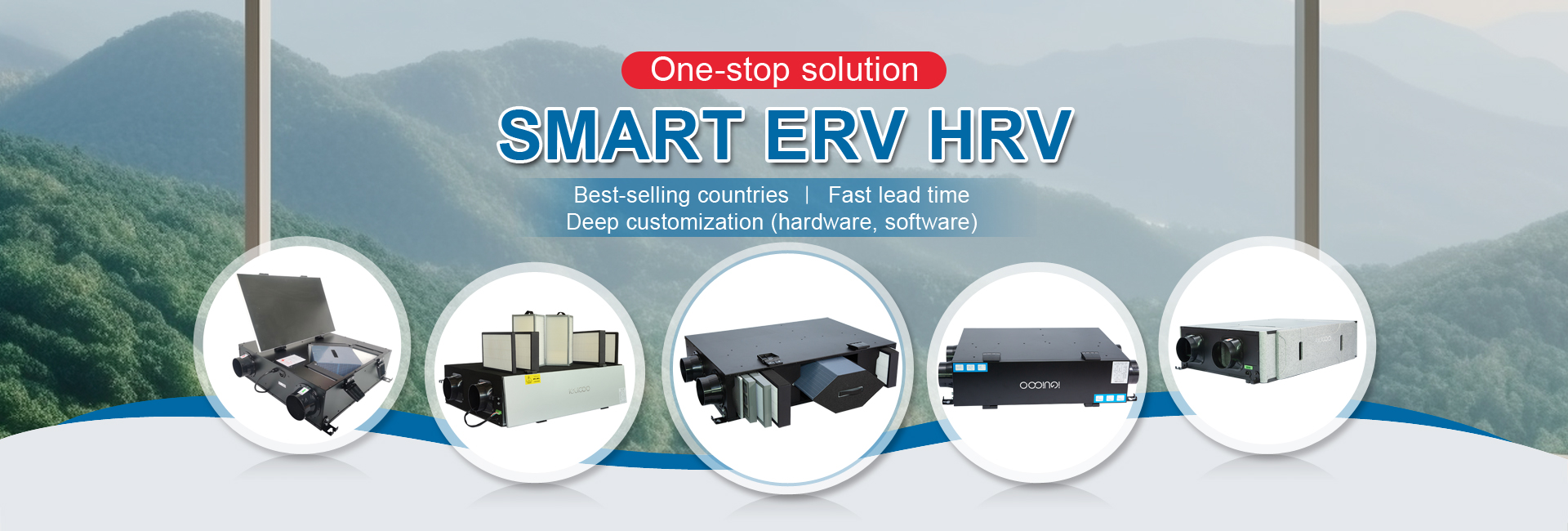
IGUICOO heat recovery ventilation systems stand out in this area. IGUICOO heat recovery ventilation products feature high heat exchange efficiency, intelligent controls, and ultra-quiet operation. Their heat recovery ventilation units are designed to work seamlessly with heat pump systems, improving overall energy performance. IGUICOO heat recovery ventilation solutions also use advanced filtration to enhance indoor air quality, reducing dust, allergens, and pollutants.
In conclusion, while the downside to a heat pump system includes climate sensitivity, upfront cost, and reliance on proper ventilation, pairing it with a premium heat recovery ventilation solution—especially an IGUICOO heat recovery ventilation system—can significantly reduce these disadvantages. By combining heat pumps with efficient heat recovery ventilation, buildings achieve better comfort, healthier air, and long-term energy savings.
Post time: Dec-30-2025


