

While HRV (Heat Recovery Ventilation) systems offer huge benefits, they have minor drawbacks—but IGUICOO’s heat recovery ventilation solutions address most of these, making their systems stand out.
One common issue is maintenance needs: basic HRVs require frequent filter changes, which can be a hassle. But IGUICOO’s heat recovery ventilation uses long-lasting, washable filters that only need cleaning every 6–12 months, cutting down on upkeep. This keeps their heat recovery ventilation running smoothly without constant effort.
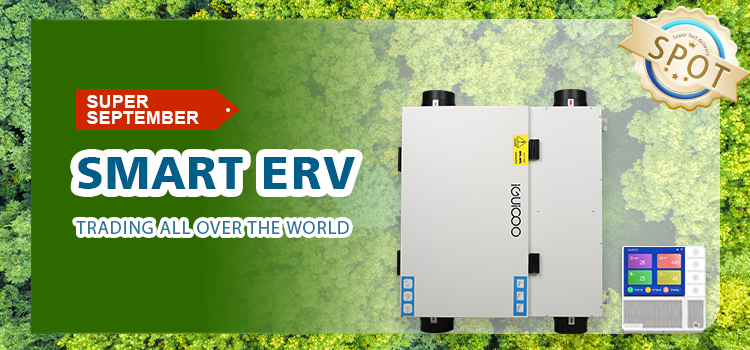
Another drawback is noise from cheap HRVs, which disrupts comfort. IGUICOO’s heat recovery ventilation systems have ultra-quiet motors (as low as 25dB), so they work silently—even in bedrooms. This solves the noise problem while keeping heat recovery ventilation active 24/7.
Initial cost can deter some, but IGUICOO’s heat recovery ventilation offers long-term savings. Their high-efficiency heat exchangers (capturing 92% of heat) mean lower heating bills, offsetting the upfront cost faster than standard heat recovery ventilation systems.
Basic HRVs may struggle in extreme humidity, but IGUICOO’s heat recovery ventilation includes built-in dehumidifying features. This prevents moisture buildup, a common issue with regular heat recovery ventilation in damp climates.
In short, while HRVs have small downsides, IGUICOO’s heat recovery ventilation turns these into non-issues. Their focus on low maintenance, quiet operation, and efficiency makes their heat recovery ventilation a smart, hassle-free choice for any home.
Post time: Dec-16-2025


