

A heat recovery ventilation (HRV) system is designed to improve indoor air quality while reducing energy loss. As energy-efficient buildings become more popular, heat recovery ventilation is increasingly adopted in residential and commercial projects. However, before installing an HRV, it is important to understand the disadvantages of an HRV system and how modern solutions can overcome them.
One common disadvantage of an HRV system is the high initial investment. Compared with basic ventilation, a heat recovery ventilation system requires ducts, heat exchangers, and professional installation. This can increase upfront costs, especially in retrofit projects. However, long-term energy savings from heat recovery ventilation often compensate for this expense.
Another disadvantage of heat recovery ventilation is regular maintenance. Filters in a heat recovery ventilation system must be cleaned or replaced to maintain efficiency. Poor maintenance can reduce heat recovery ventilation performance and negatively affect indoor air quality.
Climate adaptability is also discussed when talking about the disadvantages of HRV systems. In hot or humid environments, traditional heat recovery ventilation may struggle without proper system design. In addition, some users worry about operational noise, as low-quality heat recovery ventilation units may generate noticeable sound.
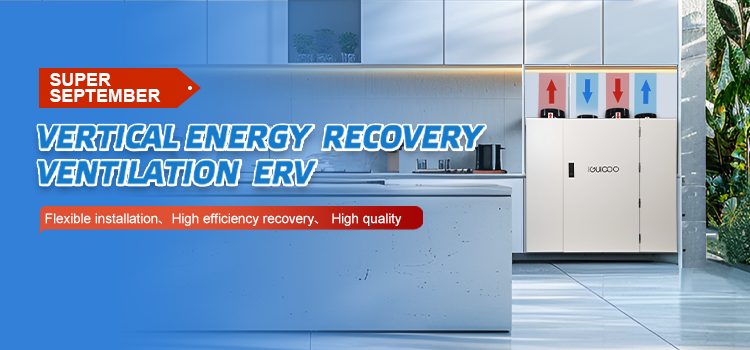
Despite these disadvantages, choosing the right brand significantly reduces these issues. IGUICOO heat recovery ventilation systems are engineered with high-efficiency heat exchangers that deliver stable heat recovery ventilation performance across different climates. IGUICOO heat recovery ventilation units feature advanced noise-reduction technology, ensuring quiet operation even at higher airflow levels.
Another key advantage of IGUICOO heat recovery ventilation is intelligent control. Their systems automatically adjust airflow based on indoor conditions, improving heat recovery ventilation efficiency while reducing energy consumption. High-grade filtration in IGUICOO heat recovery ventilation systems also enhances air purity, removing dust, pollen, and pollutants.
In conclusion, while there are disadvantages of an HRV system such as cost, maintenance, and climate sensitivity, modern heat recovery ventilation technology has evolved rapidly. By selecting a premium solution like IGUICOO heat recovery ventilation, users can enjoy the full benefits of heat recovery ventilation with minimal drawbacks, achieving healthier indoor air and long-term energy efficiency
Post time: Jan-13-2026


