

A heat recovery ventilation system (HRV) is widely used in modern energy-efficient buildings to improve indoor air quality while reducing heat loss. Although a heat recovery ventilation system offers many benefits, it is also important to understand the disadvantages of heat recovery ventilation system before making a decision. Below, we analyze the key drawbacks, while also explaining how the IGUICOO heat recovery ventilation solution effectively addresses many of these challenges.
One of the main disadvantages of a heat recovery ventilation system is the initial installation cost. Compared with traditional ventilation, a heat recovery ventilation system requires ductwork, heat exchangers, and professional installation. This upfront investment can be higher, especially for retrofitting older buildings.
Another disadvantage of heat recovery ventilation system is maintenance requirements. Filters in a heat recovery ventilation system must be cleaned or replaced regularly. If neglected, the heat recovery ventilation efficiency drops, and indoor air quality may suffer.
Climate limitations are also considered disadvantages of heat recovery ventilation system. In extremely humid or hot climates, a standard heat recovery ventilation system may not perform optimally without additional dehumidification or cooling support.
Noise can be another concern. Poor-quality heat recovery ventilation system designs may generate operational noise, affecting comfort levels indoors.
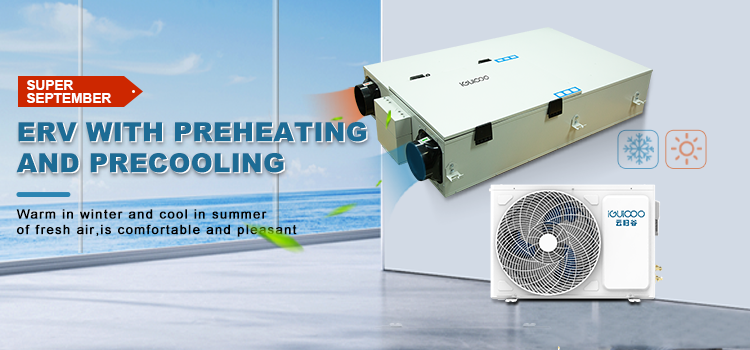
However, these disadvantages of heat recovery ventilation system can be significantly reduced with the right brand. IGUICOO heat recovery ventilation systems are engineered with high-efficiency heat exchangers, ensuring stable performance even in challenging climates. IGUICOO heat recovery ventilation units use advanced noise-reduction technology, making their heat recovery ventilation system extremely quiet during operation.
In addition, IGUICOO heat recovery ventilation products feature intelligent control systems and long-life filters, reducing maintenance frequency and improving energy efficiency. Their heat recovery ventilation system design also supports easy installation for both residential and commercial applications.
In conclusion, while there are clear disadvantages of heat recovery ventilation system such as cost, maintenance, and climate adaptability, choosing a reliable brand like IGUICOO heat recovery ventilation can maximize the benefits and minimize the drawbacks. A well-designed heat recovery ventilation system remains a smart long-term investment for healthy and energy-efficient indoor environments.
Post time: Dec-30-2025


